



Time:2026-11-18 Preview:1
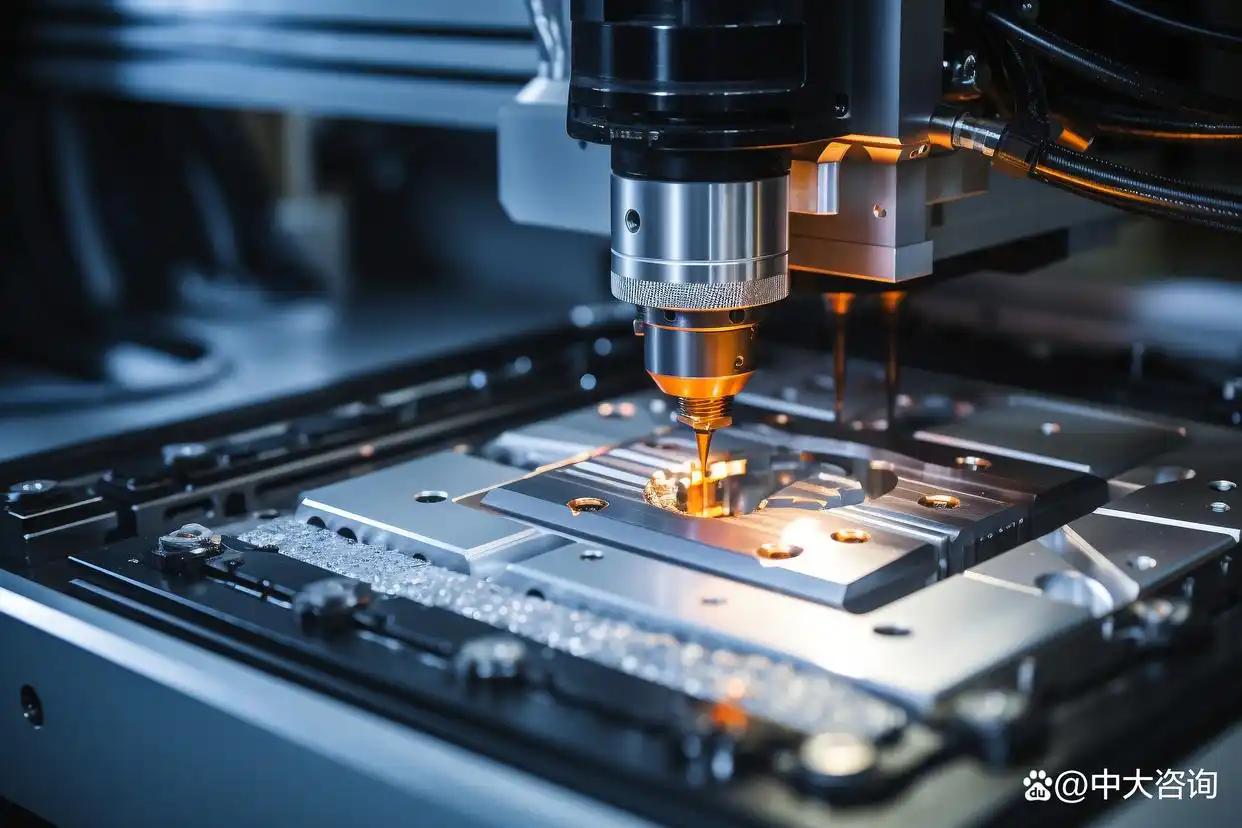
Accelerated Leap of the Machine Tool Industry toward High-End Independence
During the 15th Five-Year Plan period, China has identified industrial mother machines as a core strategic track for breakthroughs in building a manufacturing powerhouse. Coupled with the popularization of smart manufacturing and continuous capacity expansion of high-end aerospace manufacturing, this creates long-term growth space for the domestic machine tool sector. At present, technological blockades targeting high-end precision machine tools worldwide keep tightening. Leading overseas players have built long-standing technical barriers around CNC systems and core functional components. The demand structure of the global machine tool market and the competitive landscape of industrial chains are undergoing major reshaping. Riding on industrial support policies for the 15th Five-Year Plan and the industry recovery in 2026, what core development trends will emerge in the machine tool industry? How will leading enterprises consolidate competitive advantages by deploying the full value chain covering complete machines, core components and process services?
Zhongda Consulting has launched a series of research reports on key industry trend analysis, and this is the 10th report in the series.
01 Industry Status Steady Market Expansion, China Leading in Growth Rate
Driven by the continuous release of high-end machining demand from humanoid robots, computing liquid cooling, aerospace and other fields, alongside the bottoming of the industry inventory cycle, concentrated replacement of aging equipment in global manufacturing, and coordinated industrial mother machine support policies across multiple countries, the global machine tool industry is witnessing a structural recovery. The output value of the global machine tool market reached USD 85.89 billion in 2025, a year-on-year increase of 1.4%.
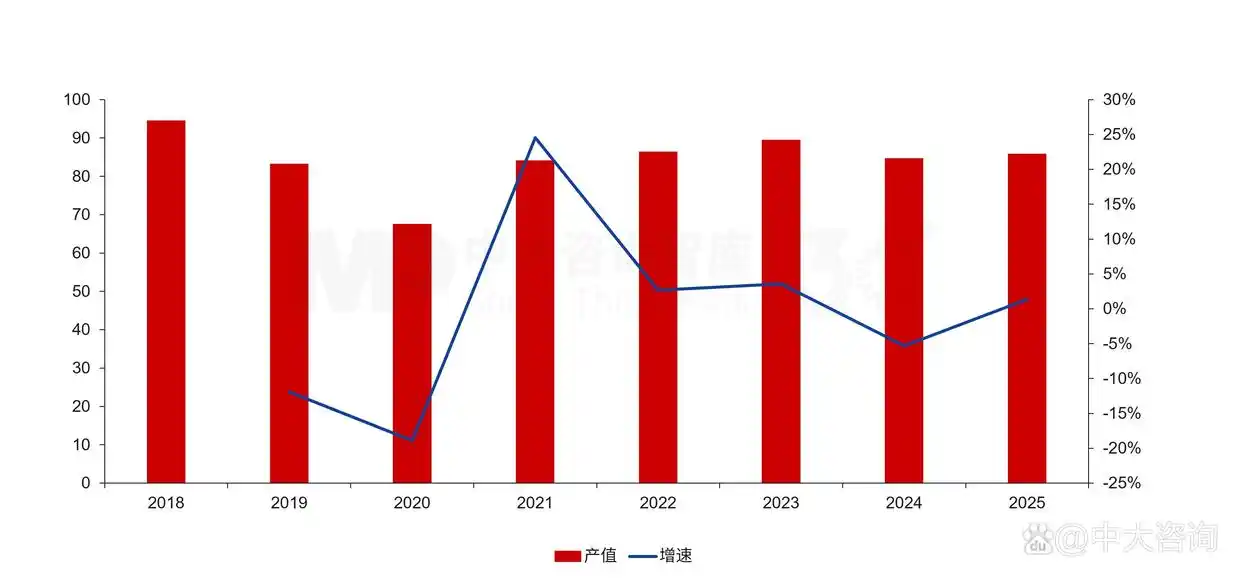
Figure 1 Global Machine Tool Market Output Value (Billion USD) and Growth Rate Data Source: VDW
In terms of segmented markets, China’s CNC machine tool market reached 123.4 billion yuan in 2025, an increase of 6.5 billion yuan compared with 2024, and is expected to grow to 159.7 billion yuan by 2030. As a major downstream application scenario, the automotive sector posted a market size of 42.1 billion yuan in 2025, accounting for 34.1%.
The global machine tool market shows prominent divergence, with China taking the lead, followed by Europe and America. In 2025, China’s machine tool market revenue achieved steady growth at 1,057.1 billion yuan; total profit hit 42.1 billion yuan with markedly improved profitability. Its total import and export volume stood at USD 33.48 billion, expanding steadily, and China remains the world’s largest machine tool market. As the second-largest global machine tool consumer market, the US market saw steady recovery in 2025, with manufacturing reshoring continuously driving demand for equipment renewal. The European market is highly fragmented internally: Germany maintained resilient exports, while Italy faced pressure from weak domestic demand and external competition, resulting in a year-on-year decline in production and sales.
02 Enterprise Operations Widening Performance Gap and Generally Stressed Profitability
Against the backdrop of structural recovery across the global machine tool sector, revenue performance varies widely among enterprises. In 2025, TRUMPF, DMG MORI and Okuma recorded revenue declines of varying degrees, with year-on-year growth rates of -20.8%, -6.2% and -8.1% respectively…
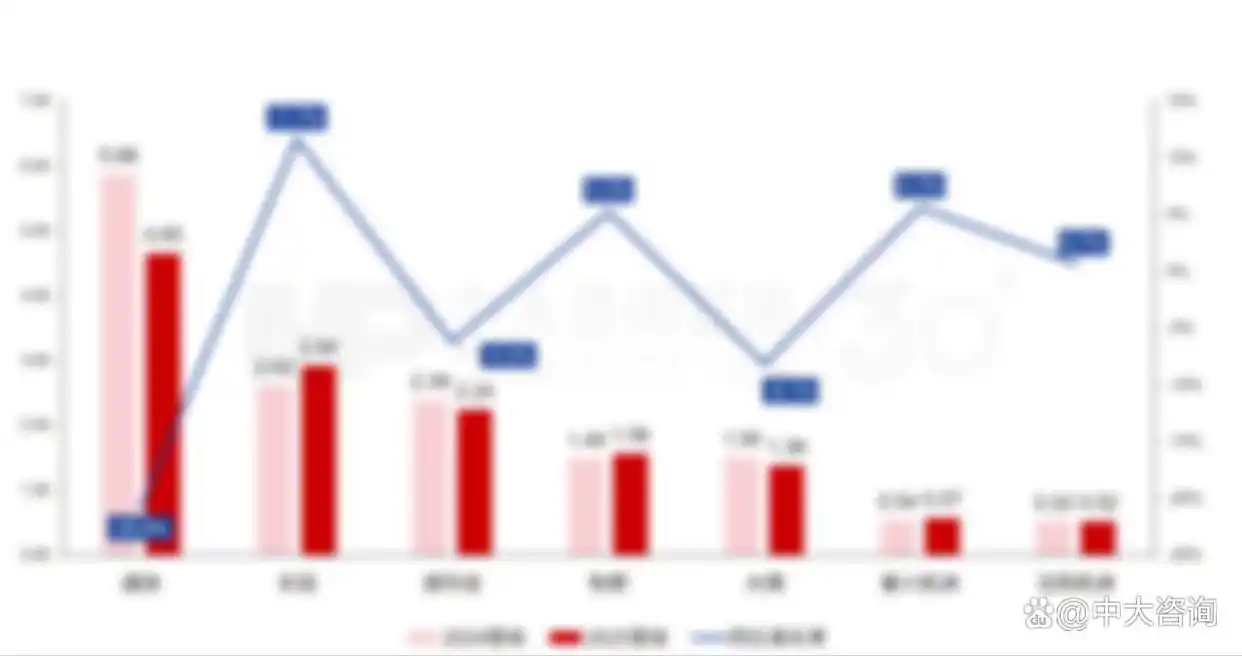
Figure 2 Operating Revenue of Major Machine Tool Enterprises (Billion USD)
Data Source: Annual reports of respective companies
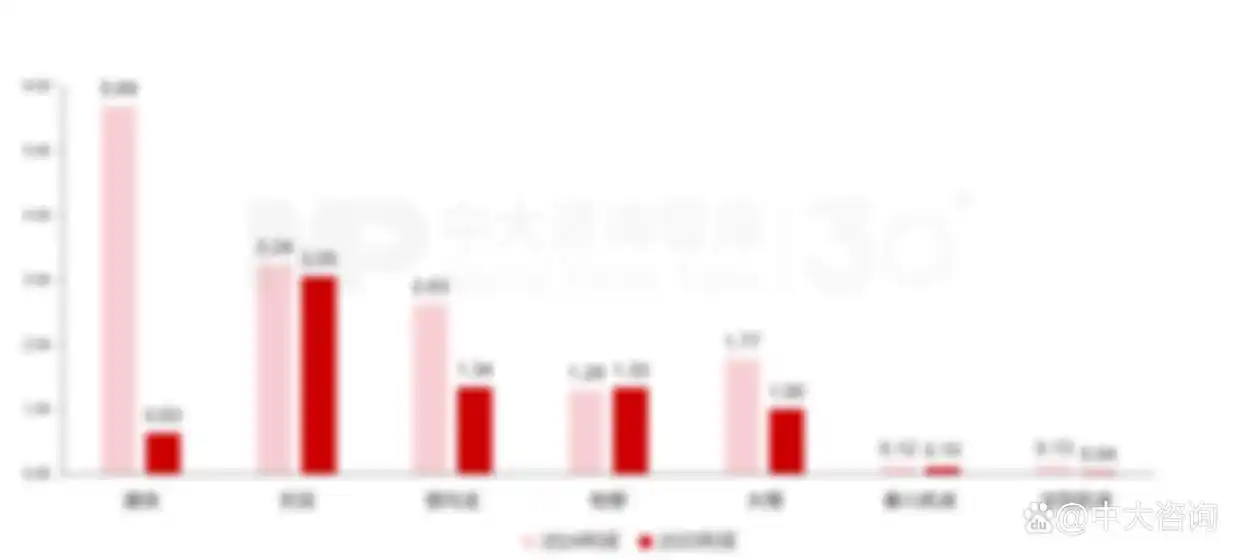
Figure 3 Total Profit of Major Machine Tool Enterprises (Billion USD) Data Source: Annual reports of respective companies
03 Market Trends Steady Growth of Downstream Demand Gradual Expansion of the Global Machine Tool Market
Overall, downstream application markets for machine tools are growing steadily, which is expected to drive the expansion of the machine tool market. In 2026, the market sizes of global semiconductors, urban rail vehicle equipment, automobile manufacturing and medical devices are projected to reach USD 975 billion, USD 54.2 billion, USD 3.30285 trillion and USD 664.6 billion respectively, indicating broad room for downstream growth. The global machine tool market is expected to hit USD 138.89 billion in 2026 and rise to USD 247.42 billion by 2034, with a compound annual growth rate of approximately 7.5%. China’s market size is forecast to reach 1,088.8 billion yuan in 2026.
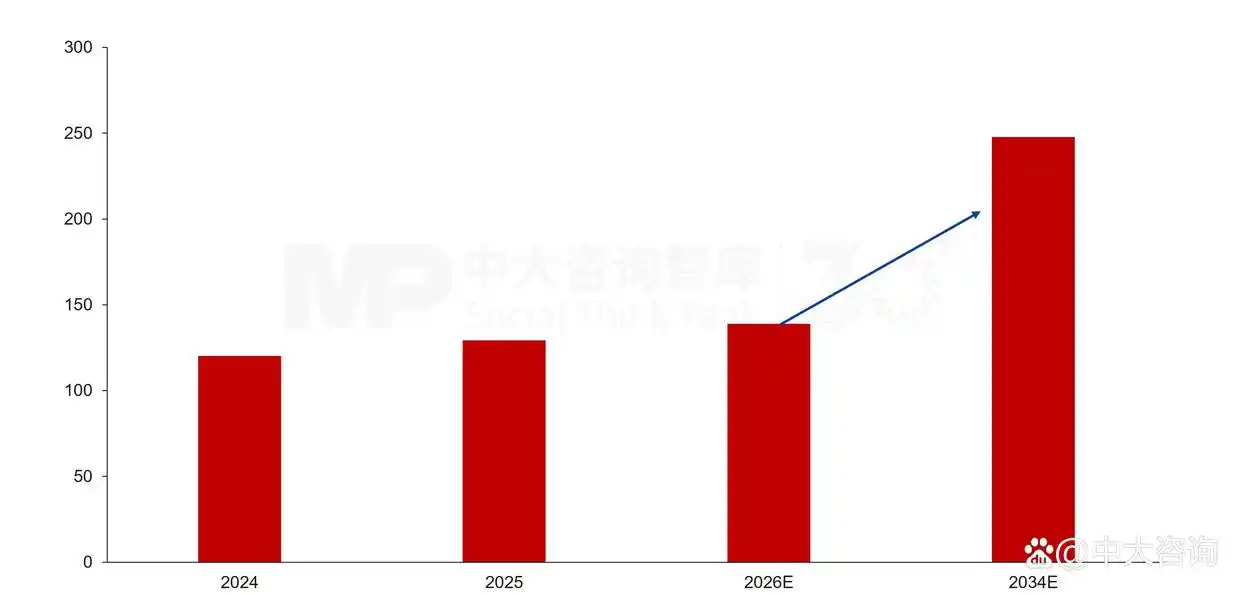
Figure 4 Global Machine Tool Market Size Forecast (Billion USD)
Data Source: Straits Research, China Machine Tool & Tool Builders' Association
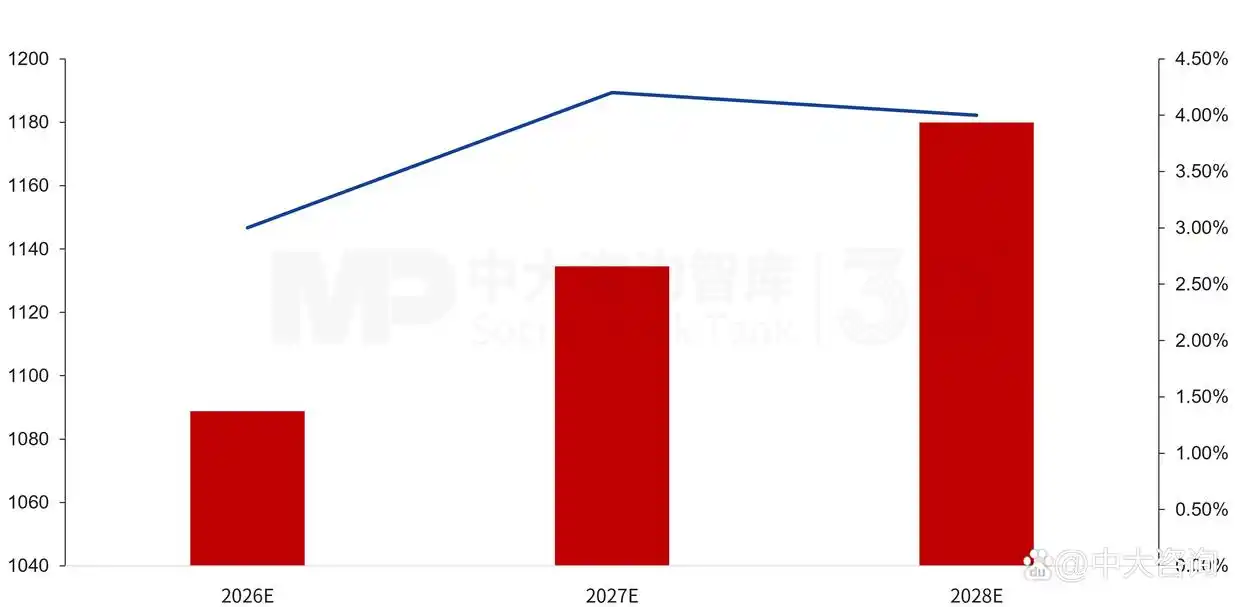
Figure 5 China Machine Tool Market Size Forecast (Billion Yuan) Data Source: Straits Research, China Machine Tool & Tool Builders' Association
From the corporate perspective, newly added orders of enterprises remain stable, and the sustainability of business operations has improved…
Figure 6 New Order Volume of Major Machine Tool Enterprises (Billion USD) Data Source: Annual reports of respective companies
04 Corporate Initiatives Multi-Dimensional Efforts to Build Competitive Advantages
Against the complex backdrop of intelligent upgrading in global manufacturing, profound industrial chain restructuring and expanding demand for high-end precision machine tools, leading machine tool enterprises are advancing simultaneously on multiple fronts including core technology research, product portfolio optimization, organizational restructuring, market layout refinement and digital transformation to build sustainable competitive advantages for the future.
Maintain high R&D investment and drive core technological innovation
In response to the green, intelligent and digital transformation across industries, major machine tool enterprises are boosting R&D investment and focusing on emerging sectors based on their existing business foundations.
Overall, the total R&D spending of key machine tool companies stayed stable in 2025 compared with 2024. TRUMPF and Makino recorded declines, while DMG MORI, Shenyang Machine Tool and others achieved modest growth. R&D intensity varies widely across players. TRUMPF and Shenyang Machine Tool both registered R&D intensity above 10%, a relatively high level within the industry.
Figure 7 R&D Expenditure (USD 100 million) and R&D Intensity of Major Machine Tool Enterprises Data Source: Annual reports of respective companies
In terms of specific R&D priorities, leading machine tool enterprises pursue precision, intelligence and scenario-based development within their business segments. They deploy differentiated strategies across core technology tracks and target breakthroughs to break down barriers for high-end products and key components.
Amada focuses on high-growth vertical industries and launched the world-first PCSAW430AXII high-speed band sawing machine. It adopts an original variable pulse cutting technology to reduce cutting resistance, paired with a 3D vertical material warehouse to support 24-hour continuous operation. It delivers faster cutting speed and better stability than conventional models while substantially lowering power consumption. Meanwhile, leveraging the Amada Global Innovation Center (AGIC) at its headquarters, Amada collaborates with customers to verify new processes, with a focus on machining technologies for new energy such as flat copper wire welding for EV motors.
Okuma upgraded its “Thermo-Friendly Concept” and iterated its proprietary thermally friendly structural design. Combined with AI adaptive error compensation algorithms, it keeps dimensional variation over time below 5 μm under normal factory temperature fluctuations, lifting precision stability by 38% versus previous models.
Qinchuan Machine Tool completed machine installation verification for its self-developed motor spindle. Import substitution of core components moves forward steadily. It achieved independent breakthroughs in the fully closed-loop motion control system for gear measuring centers, boosting measurement efficiency by over 30% with premium-grade micron-level positioning accuracy.
Focus on high-value-added tracks and optimize product and business structure
Machine tool enterprises keep iterating their product portfolios, entering high-growth sectors to expand business coverage, divest non-core businesses proactively, and concentrate resources on core operations.
Makino focuses on … TRUMPF divested … DMG MORI launched …
Improve Market Layout and Promote Localization and Globalization
Enterprises advance globalization and localization in tandem, scale up capacity deployment in emerging markets, cultivate key customers in high-growth tracks, and refine global marketing and service networks.
Amada deepens … DMG MORI strengthens … TRUMPF reinforces …
Optimize Organizational Structure and Improve Operational Efficiency
Companies are pushing forward flattened and specialized organizational upgrading, setting up dedicated teams for innovation and digitalization, expanding technical service teams, and comprehensively improving operational efficiency and response speed.
Shenyang Machine Tool launched … Makino rolled out across the board … Okuma built …
Accelerate Digital Transformation and Enhance Capabilities for Delivering Integrated Customer Solutions
To meet industrial digital transformation needs, enterprises implement digital solutions across the entire value chain, build smart factories and production control systems, and leverage AI to empower the whole production and operation lifecycle.
Makino has formed … TRUMPF promotes … DMG MORI launched …
05 Conclusion
As the “industrial mother machines” for high-end manufacturing, machine tools lay a solid core hardware foundation for the transformation and upgrading toward equipment domestic substitution, precision machining and smart manufacturing. The global high-end equipment supply chain is undergoing profound restructuring. Driven by advances in smart manufacturing and AI machining technologies, the industry is shifting from scale expansion toward accelerated high-end independent development.
Leading machine tool enterprises should stick to long-term development strategies, push forward all-round upgrades covering core component R&D, downstream market expansion, industrial chain security and digital operation. Only by building a highly independent and resilient industrial system can they secure core competitive positions amid global technological competition and industry cyclical fluctuations.
Data Source: Baidu

 Free Service Hotline:
Sales Hotline:
 Email:allisonho@foxmail.com
 Address:1st Floor, Building E, No. 6, Hongye South 2nd Road, Tangxia Town, Dongguan City, Guangdong Province
 Fax:0769-82865290